
Want to know what common commercial architect projects are? Architect Heathfield's experts support businesses with planning, design, and construction ideas for many commercial building types. A commercial architect helps create spaces that are safe, functional, attractive, and suited to the client’s requirements.
Commercial architecture covers buildings used for work, business, leisure, retail, and public use. These projects can include offices, shops, restaurants, hotels, warehouses, mixed-use developments, and other commercial spaces. Each project needs a clear plan, a suitable budget, and careful focus on how people will use the building every day.
Commercial architects also consider the site, materials, regulations, sustainability, natural light, and the long-term needs of the business. Their work helps make sure commercial buildings are designed well from the start and built to support both people and business goals.
Office Buildings
Office buildings are one of the most common projects for commercial architects. These buildings must be designed to suit the people who work in them every day. Good office design helps teams stay focused, comfortable, and able to work together easily.
Architects look at how much space is needed for desks, meeting rooms, storage, shared areas, and break rooms. They also plan the layout so people can move around safely and easily. The building must meet rules for safety, access, energy use, and fire protection, which means careful planning is needed from the very start.
Modern offices often include flexible spaces. These areas can be changed, shared, or used in different ways as a business grows. A commercial architect may also place emphasis on natural light, quiet areas, and interior design that supports a better working experience.
Retail Shops and Shopping Centres
Designing shops is about more than how they look. Retail spaces need to guide customers through the space in a clear and comfortable way. Architects think about entrances, displays, lighting, signs, storage, tills, staff areas, and how the design can support sales.
For shops and larger shopping centres, the project may also include shared spaces such as food courts, toilets, lifts, stairs, and parking areas. These environments must be easy to use and safe for everyone, including families, older people, and disabled visitors.
Time is very important in retail work. Many shops need to open quickly, so design and construction must be well managed. Commercial architects often work closely with contractors to keep the project on plan while still meeting building regulations and the client’s business needs.

Restaurants and Cafés
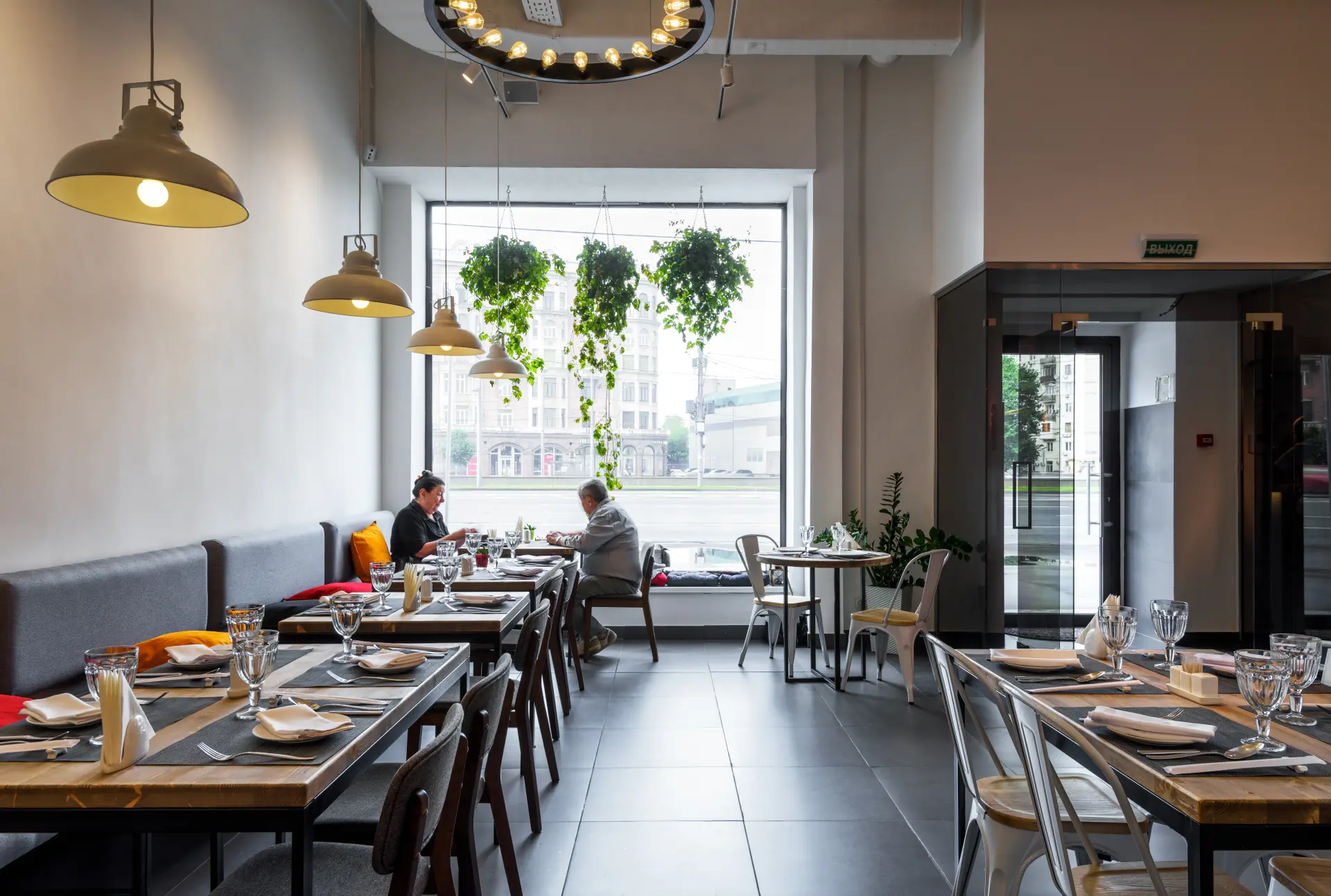
Restaurants and cafés need a careful mix of design, comfort, and functionality. The space must support both the kitchen and the dining area. Chefs need safe and efficient working spaces, while guests need a welcoming place to eat, relax, and enjoy the experience.
Architects must plan for cooking equipment, ventilation, toilets, seating, storage, lighting, and safe movement through the building. They also need to make sure the design follows health, safety, and food hygiene requirements.
Some restaurants are placed inside older buildings. In these cases, a commercial architect must explore how to improve the space without damaging important parts of the building. This kind of work needs care, good planning, and a strong understanding of how old and new designs can work together.
Hotels and Hospitality Buildings
Hotels are another common type of commercial architecture project. These buildings need to be comfortable, practical, and easy to manage. The design must support guests, staff, cleaning teams, kitchens, storage, and public areas.
A hotel project may include bedrooms, reception areas, restaurants, bars, meeting rooms, gyms, and service spaces. Architects need to think about privacy, sound control, natural light, safety, and how people move around the building.
Hospitality projects also need a strong focus on the customer experience. The building should feel welcoming while still being functional for staff. Good commercial architects help create designs that support the brand, the budget, and the daily work needed to run the business.
Industrial Units and Warehouses
Industrial units and warehouses often focus on how well the space works. These buildings may be used for making goods, storing products, packing orders, or managing deliveries. The design must suit large machines, delivery vehicles, storage racks, and staff facilities.
Because these projects can be large, architects work closely with contractors to make sure construction stays on time and follows the plan. They need to consider loading areas, access routes, office spaces, safety systems, and the strength of the building.
Some industrial buildings also include offices, meeting rooms, or customer areas. This means the design must balance practical workspaces with more comfortable spaces for people. Sustainability is also important, as many businesses want buildings that use less energy and support long-term savings.

Mixed Use Developments
Mixed-use projects combine different types of spaces on one site or within one building. A project might include shops on the ground floor, offices above, and flats or hotels on higher levels. This type of commercial building is common in towns and cities where space is limited.
Mixed-use developments take longer to design because each part of the building has different needs. Retail spaces need public access, offices need quiet and functional work areas, and homes or hotel rooms need privacy and comfort. Architects must make sure each use works well on its own while still fitting into the wider building design.
These commercial projects often need close planning with councils, contractors, owners, and other specialists. When designed well, mixed-use buildings can create lively places where people can work, shop, live, and spend time in one area.
Public Use Buildings
Commercial architects may also work on buildings made for public use. These can include community centres, leisure spaces, healthcare buildings, education buildings, and public offices. These projects must be easy to access, safe, and suitable for many different people.
The design of public buildings needs careful thought because they are often used by large numbers of visitors. Architects must plan entrances, waiting areas, toilets, signs, lifts, stairs, and emergency routes. They must also follow strict regulations to make sure the building is safe and fair for all users.
Public use projects often place emphasis on long-term value. The building should be strong, easy to maintain, and able to support changing needs over time.
Planning, Regulations, and Budget Control
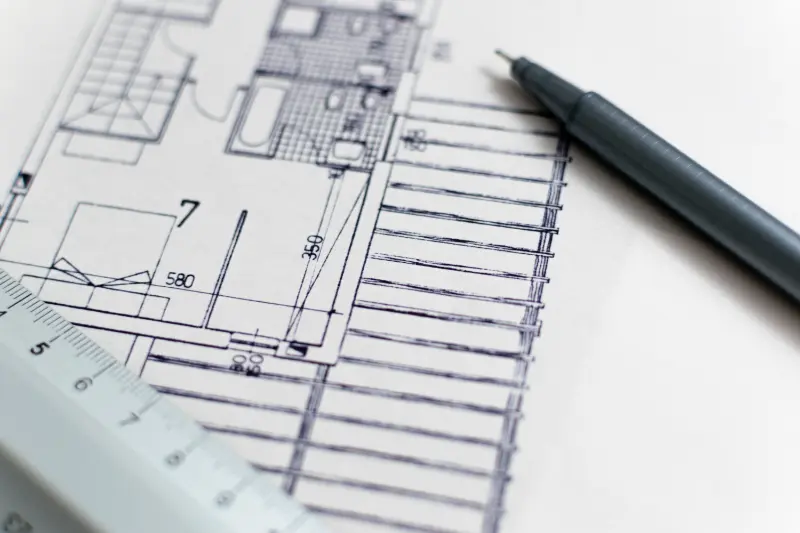
Every commercial project needs strong planning before construction begins. A commercial architect helps turn ideas into clear designs that can be priced, approved, and built. This includes looking at the site, checking planning rules, reviewing materials, and making sure the project meets the client’s requirements.
Regulations are an important part of commercial architecture. Buildings must meet rules for safety, access, fire protection, structure, energy use, and public health. Architects help guide businesses through these steps so the project can move forward with fewer delays.
Budget is also a key part of the design process. Good architects understand that a building must look right, work well, and stay within realistic costs. They can provide support by choosing suitable materials, working with contractors, and helping the client make informed choices.
Sustainable Design in Commercial Buildings
Sustainable design is becoming more important in commercial buildings. Businesses often want buildings that use less energy, cost less to run, and have a lower impact on the world around them.
Architects may include better insulation, efficient heating and cooling systems, natural light, low-energy lighting, and durable materials. They may also design spaces that can be changed in the future, which helps reduce waste and makes the building more useful over time.
Sustainability is not only about the environment. It also supports better spaces for people. A well-designed commercial building can improve comfort, health, focus, and the overall experience for staff, visitors, and customers.
Why Commercial Architects Are Important
Commercial architects provide more than drawings. They help businesses explore ideas, understand what is possible, and turn a plan into a building that works. Their role connects design, construction, regulations, budget, materials, and the client’s long-term goals.
A skilled commercial architect can support many types of commercial projects, from offices and restaurants to retail spaces, hotels, warehouses, and mixed-use developments. Their work helps create buildings that are safe, functional, attractive, and built for real people.
By choosing the right architect, businesses can start their project with more confidence. A well-designed commercial space can improve how a business works, how customers feel, and how the building performs for years to come.
Are you looking for commercial architects in Sussex, Kent, Surrey and London? For experienced design and planning for office, retail or mixed developments, follow the link below.